Table of contents
Step into the world of authentic Italian flavors, where every bite tells a story of tradition, craftsmanship, and regional diversity. Discover how casual dining establishments bring the essence of Italy to life, blending age-old recipes with a relaxed and inviting atmosphere. This guide will ignite your curiosity and inspire you to explore the delicious nuances of Italian cuisine as presented in cozy, approachable settings—read on to unravel the secrets behind these beloved dining experiences.
Discovering regional Italian dishes
Regional Italian cuisine, known as cucina regionale, offers a captivating exploration of the country’s diverse gastronomic heritage, shaped by its unique geography and centuries-old history. In northern Italy, food culture emphasizes rich flavors and comforting textures, often influenced by Alpine climates and neighboring Central European countries. Dishes such as risotto alla Milanese, polenta, and the creamy cheeses of Piedmont reveal a preference for butter, rice, and corn over olive oil and pasta, which are typical in other regions. Central Italy showcases a harmonious blend of rustic simplicity and bold tastes, with Italian dishes like Tuscan ribollita and Roman saltimbocca reflecting both peasant traditions and historical connections to the Papal States. Southern Italian specialties, deeply rooted in Mediterranean agriculture and ancient trade routes, highlight the abundance of sun-ripened vegetables, fresh seafood, and robust spices. Classics like Neapolitan pizza, Sicilian caponata, and Calabrian nduja illustrate the region’s focus on bold flavors and vibrant ingredients. Understanding cucina regionale not only enriches appreciation for Italian food culture but also demonstrates how each region’s landscape, climate, and past have left an enduring mark on the country’s beloved culinary traditions.
The heart of Italian ingredients
Authentic Italian cooking revolves around the concept of materia prima, a philosophy that prioritizes the purest, freshest, and highest-quality raw materials available. The best Italian ingredients are not merely components of a recipe—they are celebrated for their unique flavors and deep ties to regional heritage. Extra virgin olive oil serves as a foundation in countless dishes, prized for its robust flavor and health benefits. Parmigiano-Reggiano, known as the king of cheeses, adds complexity and umami, while San Marzano tomatoes are favored for their sweetness and low acidity, making them ideal for classic sauces. Fresh basil brings a fragrant, aromatic finish to everything from pizza to caprese salad, embodying the essence of the Mediterranean. These signature ingredients are revered in Italian kitchens, where their origins and quality are never compromised, ensuring each dish reflects centuries of culinary tradition and craftsmanship. To experience this ingredient-driven approach firsthand, Gigi Bangkok offers a selection of dishes that highlight the purity and depth of genuine Italian flavors, bringing the spirit of Italy to a casual dining setting in the heart of Bangkok.
Handcrafted pasta traditions
Handcrafted pasta stands at the heart of Italian pasta traditions, where the pasta-making process is steeped in regional heritage and family secrets passed down through generations. The tactile journey begins with mixing flour and eggs, kneading the dough until it reaches the perfect elasticity, and then rolling the sfoglia—thin sheets of dough—by hand, a technique prized for its ability to create a delicate yet resilient texture. Across Italy, fresh pasta takes many forms: in Emilia-Romagna, tagliatelle and tortellini are shaped with care; in Puglia, orecchiette are pressed and dragged by thumb; while Tuscany boasts the robust pappardelle, ready to embrace hearty sauces. Each region showcases its distinct specialties, using local wheat, unique fillings, and imaginative shapes, which reinforce the diverse identity of Italian pasta. Such attention to every detail ensures not just an exquisite mouthfeel, but also preserves the genuine essence of Italian cuisine, inviting diners to experience the time-honored artistry behind every plate.
Casual dining, Italian style
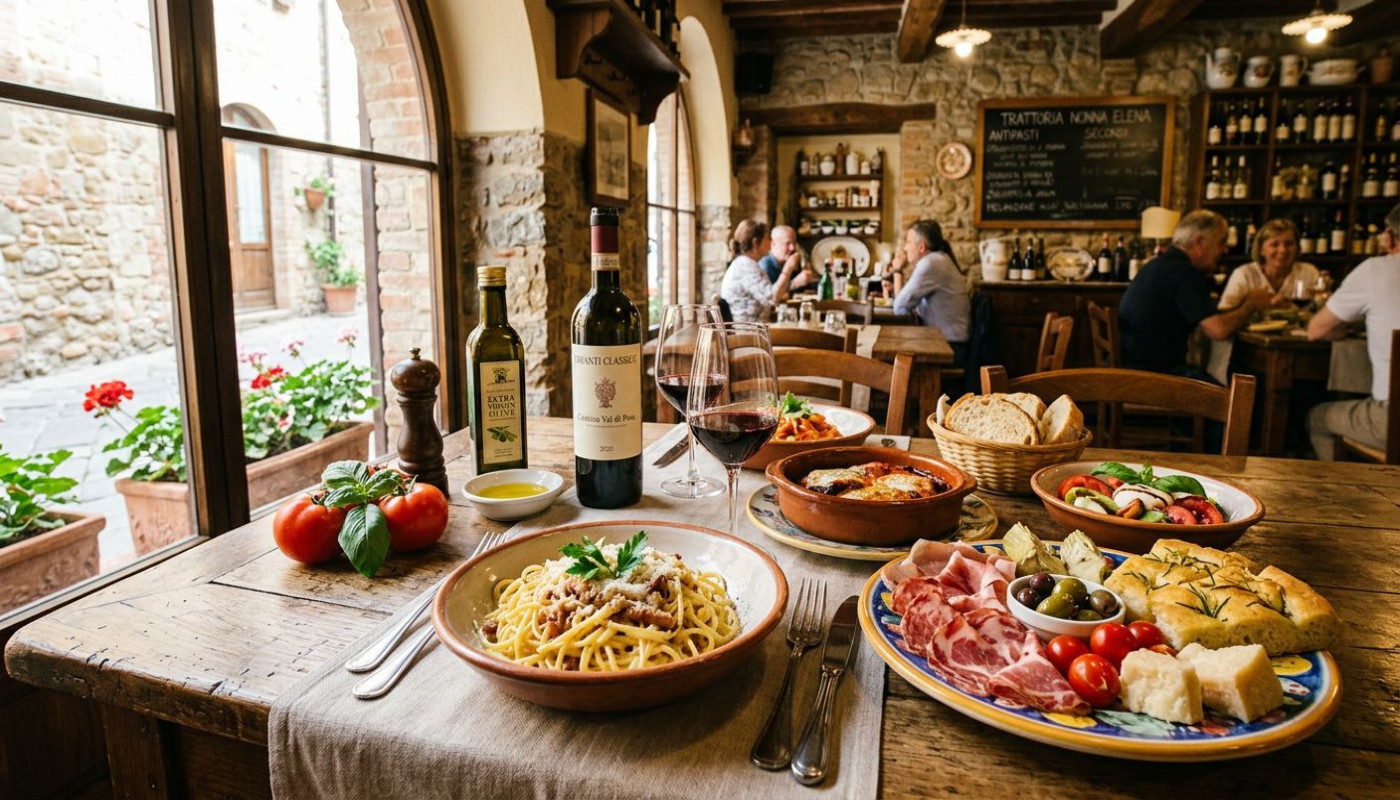
Casual Italian dining is defined by an inviting atmosphere where convivialità, the cherished Italian concept of togetherness, stands at the heart of every gathering. In an Italian trattoria or osteria, guests are welcomed not just with flavorful plates but with a sense of belonging, often seated at communal tables that encourage conversation and connection. The Italian food atmosphere in these venues exudes warmth, with rustic decor and the hum of animated voices blending seamlessly with the clinking of glasses. Shared meals are a cornerstone, turning dining into a collective celebration rather than a solitary act, and making casual Italian dining accessible to patrons from all walks of life. This communal ethos ensures that the enjoyment of authentic dishes extends beyond taste alone, embodying the social traditions that have shaped Italy’s culinary landscape for generations. The presence of a genuine Italian trattoria or Italian osteria in any city offers not just an introduction to beloved recipes but a window into the Italian way of life, where laughter, storytelling, and shared meals transform every visit into an experience rooted in convivialità.
Balancing tradition and innovation
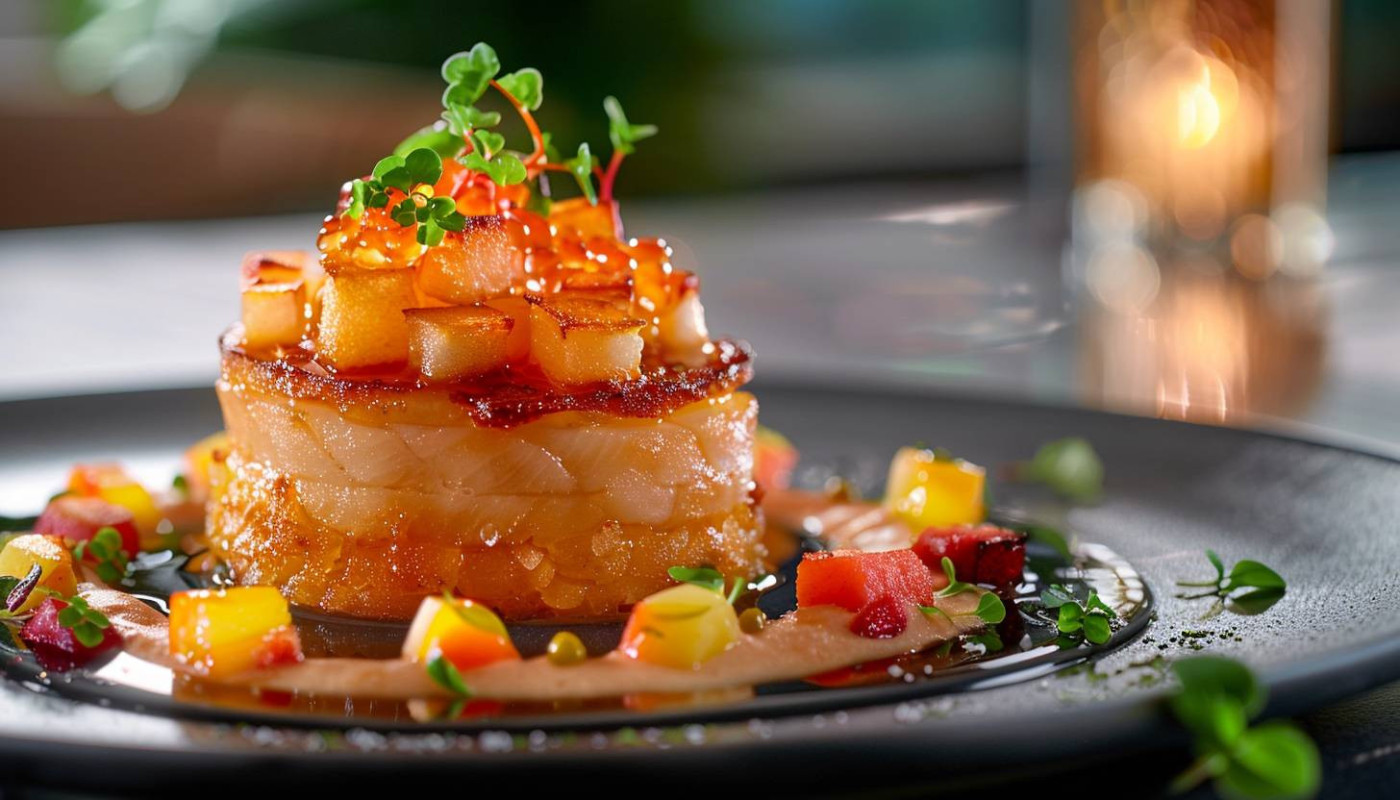
Casual Italian dining spots have become vibrant showcases for Italian food innovation, expertly balancing the integrity of traditional Italian recipes with the flair of modern Italian cuisine. Through reinterpretazione, chefs creatively adapt time-honored dishes—such as giving classic risotto an unexpected touch with seaweed and shellfish foam or presenting tiramisu in deconstructed form, layered in delicate glass jars. This Italian culinary creativity not only draws inspiration from regional heritage but also incorporates cutting-edge techniques, like sous-vide cooking for perfectly tender osso buco or using locally sourced, seasonal ingredients for lighter, health-conscious pasta sauces. These innovative Italian dishes illustrate how contemporary methods seamlessly harmonize with beloved flavors, offering diners an experience that respects the roots of Italian cuisine while inviting them to savor its ever-evolving possibilities.
On the same subject
How To Choose The Perfect Asian Cuisine For Your Event?